Lighting Layering: The 3-Layer Method
Lighting Layering: The 3-Layer Method Read Post »
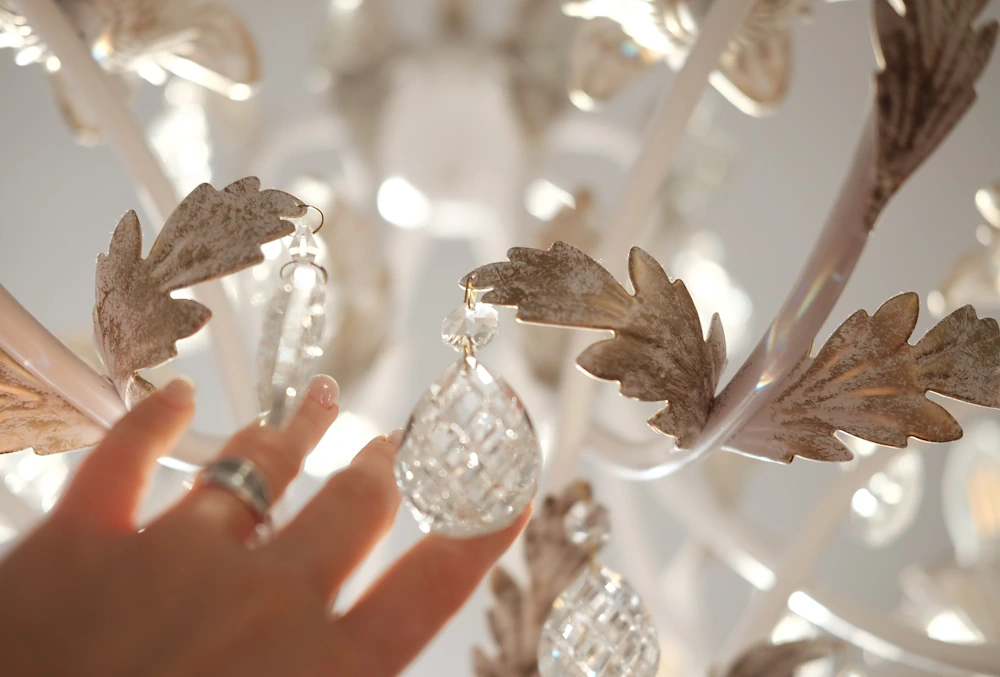
Installing the right lighting is the fastest way to upgrade any room, and the one most people underspend on. The right lighting fixture provides two important functions to a room. First, it throws warm, layered light, transforming a room from a flat, lifeless look, to one that is layered, dynamic, and intentional. Second, it functions as sculptural work of art when it’s off.
From statement chandeliers and pendants to floor lamps, table lamps, and sconces, these guides help you build the kind of layered lighting scheme designers swear by. Find fixtures that deliver both function and a serious style upgrade.
Below are our tested picks across every fixture type, plus how to build a room’s light in layers.
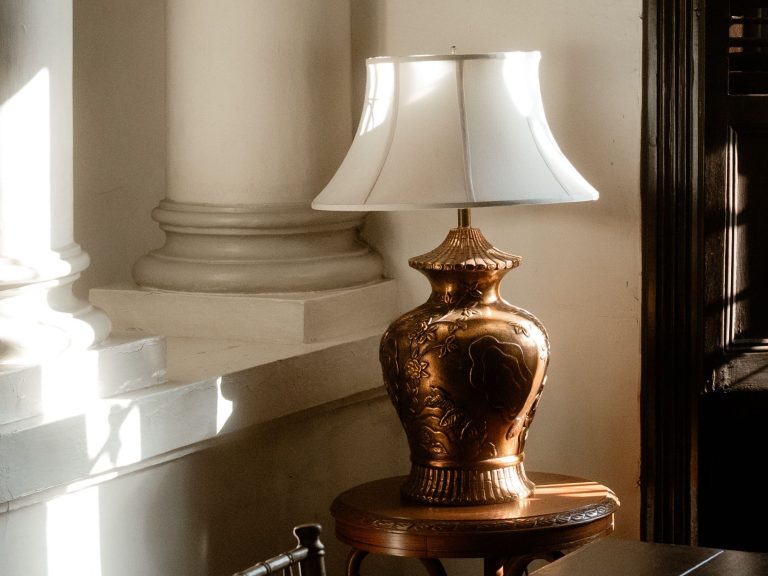
Expensive-looking rooms almost never rely on a single ceiling fixture. They build light in three layers: ambient (the overall glow, often a chandelier or flush mount), task (a floor or table lamp where you actually read or work), and accent (sconces and picture lights that add depth and shadow). Get all three on dimmers and a plain room reads instantly more designed.
The single biggest tell of a cheap-feeling room is cold, blue-white light. Choose bulbs in the 2700K range for living and sleeping spaces — the warm, candle-adjacent tone that makes wood, textiles, and skin look their best. Save cooler temperatures for task-heavy zones like a kitchen island or home office, and even there, keep it on the warmer side.
If you’re lighting a main room from scratch, begin with a statement chandelier for the ambient layer, then add a floor lamp and table lamps for task light. Wall sconces are the accent layer most people skip — and the one that separates a designed room from a lit one. Every pick is chosen on quality and light quality first, never on commission.